

Why Women's Empowerment Still Needs Work in India
Women's empowerment in India is not a finished project, and it is also not a hopeless one. It sits somewhere in between, moving forward in some places and stalled in others, often within the same district or even the sam
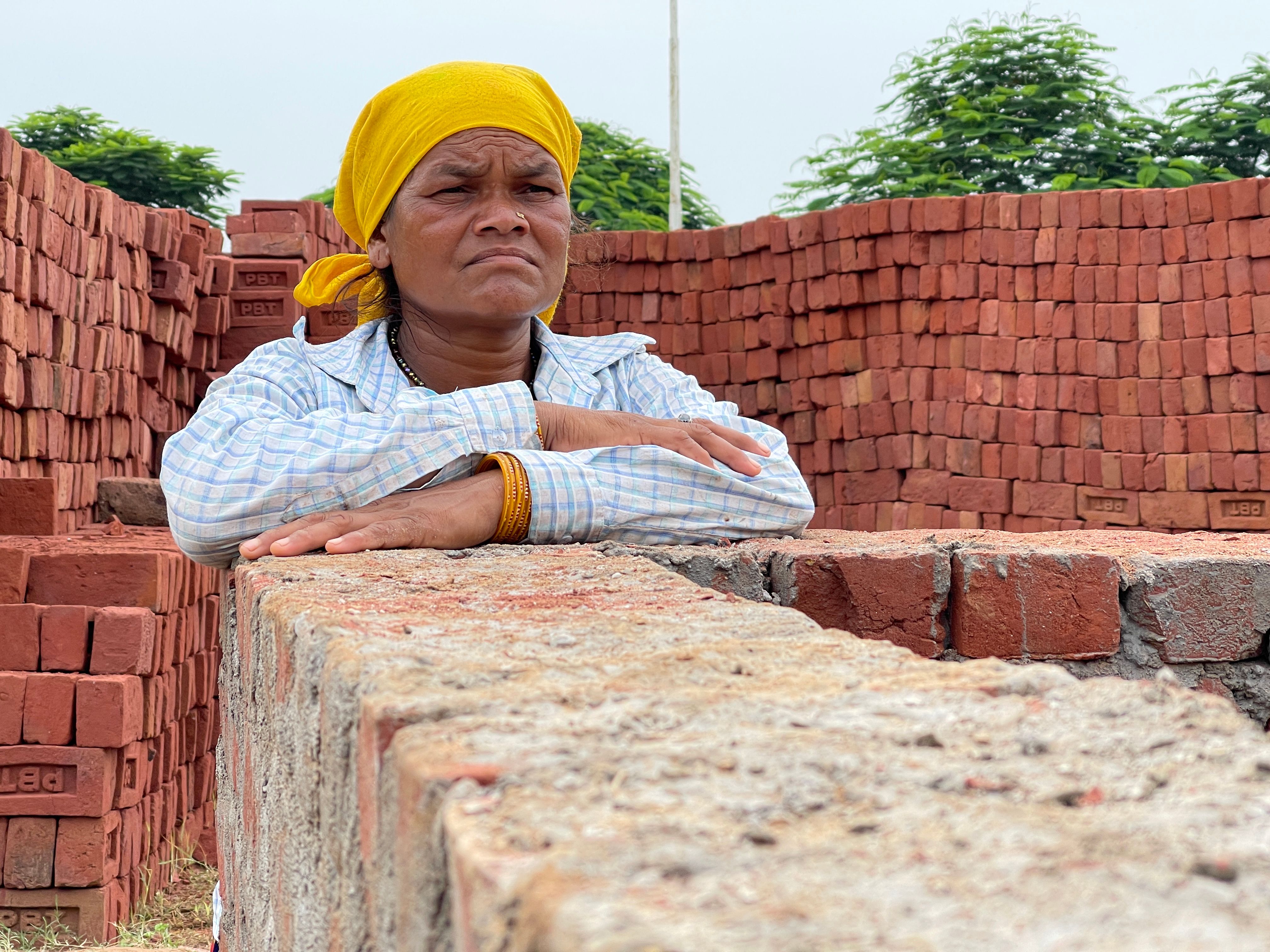
This article is not meant to be inspirational in the way a stage speech is. It is meant to explain, plainly, what empowerment actually requires, where India stands today, and why the gap between policy and ground reality is wider than most people realise.
What Empowerment Actually Means
The word gets thrown around so often that it has started to lose its weight. Empowerment is not a feeling. It is not a poster of a woman holding a torch. It is a set of concrete conditions:
A woman who can decide whether to study further. A woman who can choose who she marries, and when. A woman who has her own bank account and knows how to use it. A woman who can walk to a market or a clinic without asking permission or fearing for her safety. A woman whose work, paid or unpaid, is actually counted as work.
When even one of these is missing, the rest tend to weaken too. Education without financial independence often leads nowhere. Financial independence without safety is fragile. Safety without a voice in decisions is just a cage with better lighting.
The Numbers Tell an Uneven Story
India has made genuine progress, and pretending otherwise would not be honest either. Female literacy has climbed steadily over the decades. More girls are completing secondary school than ever before. Women now run companies, lead state governments, fly fighter jets, and head central banks. These are not small things.
But progress at the top does not always trickle down. According to data from the Periodic Labour Force Survey, India's female labour force participation rate has historically lagged far behind most major economies, even as women's education levels have improved. A woman can be more qualified than her brother and still end up out of the workforce after marriage, not because she lacks ability, but because the household, the commute, the safety, and the social expectations were never built around her staying employed.
Rural India tells an even more layered story. In many districts we work in across Uttar Pradesh, girls are enrolled in school at healthy rates up to class eight or ten. Then the numbers drop sharply. Distance to the nearest secondary school, lack of safe transport, household chores, early marriage pressure, and sometimes just the absence of a functioning toilet at school are enough to end a girl's education. These are not dramatic headline causes. They are mundane, fixable problems that quietly decide a girl's entire future.
Why Awareness Alone Does Not Change Behaviour
A lot of empowerment campaigns are built on the assumption that if people simply knew better, they would act better. Tell a family that educating their daughter is valuable, and they will educate her. Tell a community that domestic violence is wrong, and it will stop.
In our experience, this is only partly true. Most families we have met already know, at some level, that educating a daughter matters. The barrier is rarely pure ignorance. It is economics, fear, habit, and the absence of any visible alternative path. A father in a village near Barabanki is not unaware that his daughter is bright. He is weighing her safety on a bus, the cost of further schooling, and what the neighbours will say if she stays unmarried past a certain age, all at once.
This is why Udaan's own programmes try to go beyond one-time awareness sessions. Real change tends to come from sustained presence: returning to the same villages repeatedly, building relationships with families over months, and connecting women to something concrete, a skill, a small income, a support group, rather than just a message.
What Actually Moves the Needle
Based on what we have seen work, a few things consistently matter more than others.
Access to money that a woman controls herself. Self-help groups, even small ones, change household dynamics in ways that surprise people. When a woman starts contributing to family income, even modestly, her opinion starts carrying more weight in decisions that have nothing to do with money at all, including her daughter's education or her own movement outside the house.
Skills tied to actual local demand. Training someone in a skill nobody in their area needs is a waste of everyone's time. We have learned to ask what is actually employable in a given block or district before designing any skilling programme, rather than running the same generic course everywhere.
Safe, physical spaces to gather. A community hall, a school room used after hours, even a courtyard that becomes a regular meeting point, gives women a legitimate reason to leave the house and talk to each other without suspicion. Isolation is one of the quietest tools used to control women, and breaking it does not require grand infrastructure, just consistency.
Men and elders included in the conversation, not excluded from it. Programmes that work only with women and ignore the husbands, fathers, and mothers-in-law around them tend to create friction at home rather than resolving it. Some of our most effective sessions have included men specifically, not as an afterthought but as a deliberate part of the strategy.
Legal literacy. Many women do not report harassment, abuse, or even denial of inheritance rights simply because they do not know what they are legally entitled to, or what the process even looks like. Basic legal awareness, explained in plain language rather than legal jargon, has repeatedly opened doors that years of general motivational talk could not.
The Part Nobody Likes to Admit
Some empowerment efforts fail not because the idea was wrong, but because they were designed in a city conference room without enough ground-level testing. A scheme that looks excellent on paper can fall apart because the form requires documents a rural woman does not have, or the nearest bank branch is forty minutes away, or the helpline number listed does not work.
This is the unglamorous reality of empowerment work. It is less about big declarations and more about closing small, specific gaps. Does the form ask for a father's name when the woman is a widow raising the household alone? Does the skilling centre run at a time that does not clash with when she needs to cook for her children? Does the savings scheme allow a deposit smaller than what most programmes assume is the minimum?
These details sound boring next to a slogan. They are also the actual difference between a programme that helps and one that just looks good in a report.
Where This Leaves Us
Women's empowerment in India is not a finished project, and it is also not a hopeless one. It sits somewhere in between, moving forward in some places and stalled in others, often within the same district or even the same village. The path forward is rarely about one big intervention. It is about a number of smaller, well thought out efforts that respect how people actually live, rather than how we wish they lived.
At Udaan Foundation, we keep coming back to one simple test before starting any new initiative: would this actually change something for the woman in front of us, today, given her real circumstances, or does it just sound good in a proposal. That question alone has saved us from a lot of well-intentioned mistakes, and it is the one we would encourage any organisation working in this space to ask honestly.
If real, ground-level change for women in Uttar Pradesh matters to you, there are always ways to be involved, whether through volunteering time, supporting a specific programme, or simply learning more about what is happening in communities not far from where you live.
Sources & references
I am new on this website!
Inspired? Write your own story.
If you have lived it or witnessed it, this is where you tell it.
Start writingMore like this

How a Village Savings Group Turned ₹20 a Week Into 40 New Businesses
Nobody in our group had a bank account when we started. Six years later we have funded forty enterprises. Here is exactly how it worked.

Opening Her First Bank Account at 38: The Guide We Wrote for Our Members
Half the women in our village had never been inside a bank. So we wrote down every step, every document, and every fear, and walked in together.